Reliable Car Stereo Installation for Enhanced Performance
Elevate Your Drive: Everything You Need to Know About Car Stereo Installation
Improving a car stereo can greatly enhance the driving experience. Superior audio quality and innovative features, such as Bluetooth connectivity, are strong motivations for a great number of people. However, selecting the right stereo additional info and confirming it fits the car's configuration can be quite difficult. Additionally, accurate installation is necessary to avoid common pitfalls. Comprehending these critical components can elevate not only the listening experience but also the satisfaction of every journey. What steps should one take to achieve this upgrade?
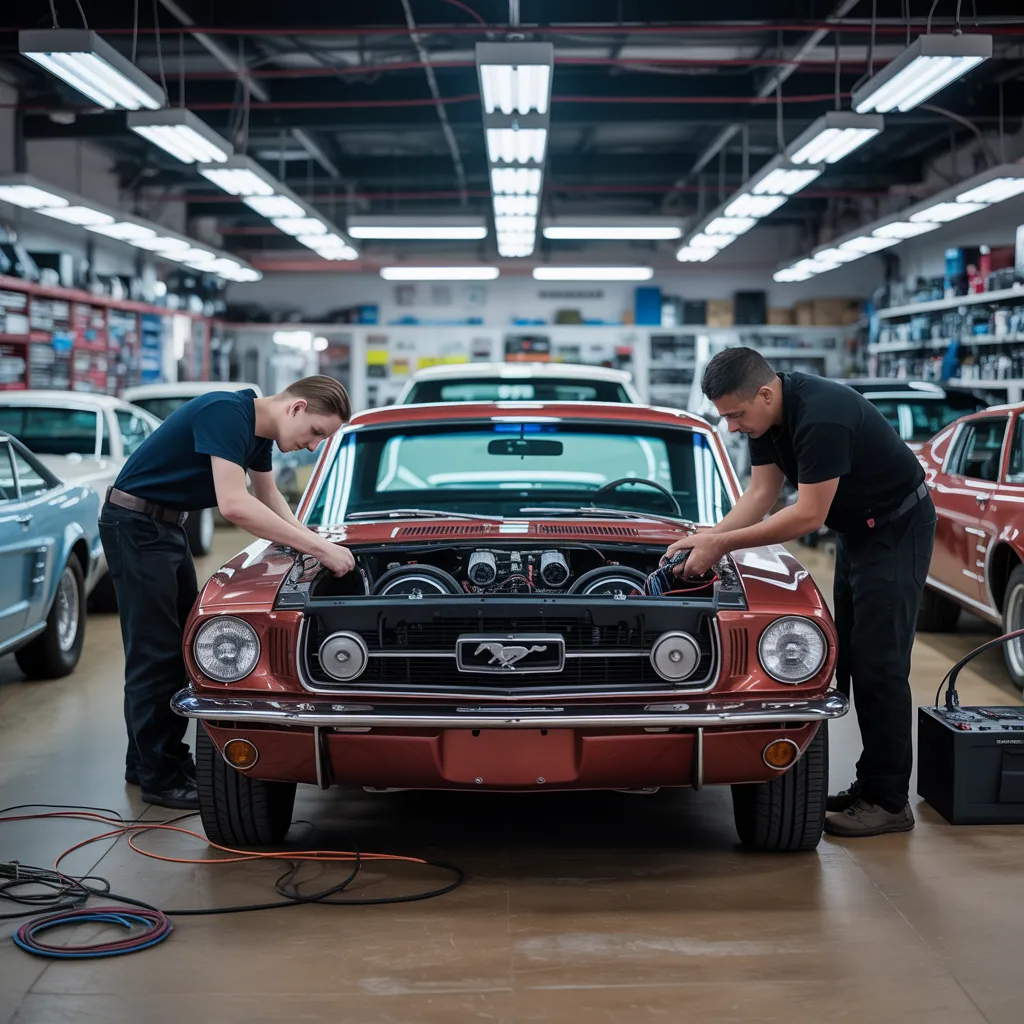
Why Should You Upgrade Your Car Stereo?
Enhancing a car stereo can considerably improve the ride experience, as car owners often seek improved audio quality and up-to-date functionality. Most drivers discover that stock audio systems do not meet the audio clarity and power standards drivers prefer. An upgraded stereo ensures superior bass, treble, and sound balance, elevating the in-car listening experience.
Moreover, contemporary car audio systems come equipped with connection features such as Bluetooth connectivity, USB ports, and smartphone app integration, enabling seamless integration with personal devices. This allows users to effortlessly access their preferred music, podcasts, and navigation tools with ease.
Additionally, a new stereo can provide cutting-edge capabilities like interactive display panels, customizable equalizers, and built-in navigation, allowing drivers to retrieve information on the road. As technology continues to evolve, replacing an outdated car stereo can also future-proof the vehicle, ensuring that it remains compatible with emerging audio standards and innovations. Ultimately, an improved in-car stereo considerably enriches the journey for all occupants of the vehicle.
Finding the Perfect Car Stereo for Your Situation
Picking the best car stereo involves knowing personal preferences and specific requirements. Buyers should assess factors such as sound quality, connectivity options, and compatibility with their vehicle. Numerous models may feature diverse features, including Bluetooth capability for hands-free calling, USB ports for device charging, and support for streaming services.
In addition, individuals ought to examine the measurements of the audio unit to confirm it fits their dashboard seamlessly. Certain users might favor a interactive touch panel for simple operation, while certain buyers may select physical buttons.
Audio output is another essential consideration; those who value superior sound performance should seek out units featuring greater wattage and sophisticated equalization options.
Finally, the budget is a key factor in the decision-making process. By evaluating features, value, and price, buyers can find the auto sound system that aligns best with their preferences, enhancing their driving experience.
Important Tools for Successful Installation
Completing a car stereo installation successfully demands some necessary tools to ensure the job is done properly and efficiently. To begin, a set of screwdrivers—both Phillips and flathead—are important to remove and fasten the stereo unit in place. Wire strippers and crimpers help connect wires properly, guaranteeing a sturdy and dependable electrical circuit. A multimeter proves useful when checking voltage levels, while electrical tape and heat shrink tubing protect connections from wear and moisture.
Moreover, a trim removal tool can prevent damage to the dashboard when accessing the stereo. Wire ties help with arranging and holding wiring, which is important for keeping the installation tidy. Finally, having a socket set on hand can ease the process of removing bolts and screws. By equipping oneself with these instruments, an technician can approach the process with more confidence and precision.
How to Install Your New Stereo in Easy Steps
Mounting a new car stereo demands a methodical approach to secure success. First, it is necessary to collect the required equipment, followed by the proper disconnection of the old stereo. Lastly, connecting the new unit properly will complete the fitting procedure.
Gather Necessary Tools First
When preparing for a car stereo setup, it's vital to assemble all the needed tools to ensure a seamless experience. Essential items consist of a screwdriver set, typically Phillips and flat-head, to loosen the screws securing the stereo. A dashboard panel removal tool is necessary for carefully removing dashboard panels without scratching surfaces. Wiring tools and connectors will be needed for accurate wiring and reliable connections. Furthermore, a multimeter can be used to confirm that all electrical connections are functioning correctly. It's recommended to have zip ties or electrical tape on hand for managing wires in an orderly fashion. To complete your toolkit, a flashlight can illuminate dark areas during installation. By gathering these tools in advance, the installation process can be more efficient and organized.
Safely Remove Old Stereo
Properly removing the old stereo is a critical step in the installation process. To begin, the vehicle's battery should be disconnected to avoid electrical hazards or short circuits. Next, the detachment of any trim panels surrounding the stereo is necessary; this is typically done with a trim pry tool to prevent damage. Once the trim is off, screws or clips securing the stereo must be removed. With these securing components taken out, carefully extract the stereo from its dashboard opening. It is vital to gently remove the wiring harness and antenna cable, ensuring no wires are damaged in the process. After the old stereo is fully detached, it can be placed aside, making room for the new installation.
Install New Stereo Correctly
Once the old stereo has been taken out, focus turns to properly connecting the new unit. First, the installer should gather the necessary tools, such as wire strippers and connectors. They should then consult the new stereo's wiring diagram, which typically matches color-coded wires to the vehicle's harness. Connecting the wires correctly is essential; for instance, red usually indicates power, while black represents ground. Once the connections are made, they should be secured with connectors or soldered for durability. The installer should then slide the new stereo into its mounting bracket and confirm it is snugly fit. Finally, reassemble any panels removed during installation, double-checking all connections before powering on the new stereo to verify functionality.
Hook Up Your Stereo: Wiring & Bluetooth Tips
Wiring a car stereo requires understanding essential wiring components and learning the Bluetooth setup procedure. A proper setup can enhance sound quality, but individuals may experience typical challenges that need troubleshooting. This section will provide essential tips to ensure a smooth connection and peak performance.
Critical Wiring Connections
When fitting a car stereo, understanding essential wiring connections is critical for guaranteeing optimal performance and proper functionality. The primary connections include power, ground, and speaker wires. The power wire, which is usually red, links to the vehicle's battery, supplying the required energy for operation. The ground wire, usually black, makes sure the stereo functions without interference. Speaker wires, often color-coded, connect to the speakers, delivering audio signals. Correctly crimping or soldering these connections is essential to avoid shorts or audio problems. Furthermore, using a wiring harness can streamline the installation process by offering a plug-and-play solution designed for the vehicle. Verifying these connections are tight and accurately configured will elevate the overall listening experience and durability of the stereo system.
Bluetooth Connectivity Process
After establishing the needed wiring connections, the subsequent step requires connecting the car stereo with a phone or other Bluetooth-enabled device. Initially, the user must confirm that Bluetooth is activated on the smartphone. The user should then navigate to the unit's Bluetooth options, generally accessible in the primary menu. The stereo will frequently display a selection of discoverable devices. The user picks their phone from this list. A security code may display on both displays; accepting this code completes the connection. When connected, the stereo typically enables wireless audio and Bluetooth calling. It is recommended to test the connection by streaming audio or placing a call to confirm that call quality and capabilities are functioning properly.
Fixing Typical Issues
Addressing typical challenges with car stereo installations requires a systematic approach to identify and resolve problems efficiently. To begin, ensure that all wiring connections are tight and correctly aligned with the vehicle's wiring diagram. Unsecured or improper connections can cause power issues or degraded sound output. Should the stereo not turn on, inspect the fuse and the car's battery. When experiencing Bluetooth connectivity difficulties, verify the device is in pairing mode and adequately close. Furthermore, ensure the stereo's firmware has been updated to the latest version. If sound quality is poor, inspect the speaker connections and settings. In conclusion, reviewing the user manual can supply detailed troubleshooting instructions specific to the stereo model, optimizing the installation experience.
Top 5 Installation Errors to Steer Clear Of
While car stereo installation might appear simple, numerous people unintentionally commit serious errors that can lead to poor performance or even damage to the vehicle. One typical oversight is not disconnecting the battery, which can cause electrical shorts or shock. Another mistake is failing to properly match the stereo's power requirements and wiring, causing unsatisfactory audio performance or total system breakdown.
Additionally, failing to use proper tools can cause stripped screws or harm to components. Overlooking compatibility with the vehicle's existing system is another pitfall; installing a stereo that isn't compatible can create fitting problems. To conclude, incorrect positioning of speakers can compromise sound quality and acoustics. By steering clear of these five common errors, individuals can ensure a more seamless installation and experience superior audio quality in their vehicles.
Questions We Often Receive
Can I Install a Car Stereo Without Professional Help?
Indeed, a car owner can set up a vehicle stereo without professional help. With the necessary tools, instructions, and a degree of patience, countless individuals succeed in finishing the installation without assistance, upgrading their car's audio performance.
How Much Time Does a Car Stereo Installation Usually Take?
A car stereo installation typically takes one to four hours to complete, influenced by the complexity of the setup and the specific make and model of the vehicle. The experience of the installer and the tools on hand can also affect how long the process takes.
What Are the Indicators That I Need a New Car Stereo?
Telltale signs that signal a need for a new car stereo include persistent sound distortion, inability to connect devices, constant Bluetooth connectivity failures, unresponsive controls, and a dated and inefficient interface. Such problems frequently reduce the entire driving experience and satisfaction.
Does Upgrading My Stereo Void My Car's Warranty?
Changing a car stereo may impact the vehicle's factory warranty, particularly if the installation leads to issues or if certain parts are compromised. It is recommended to refer to the warranty documentation or an authorized dealer for clarification.
Is It Possible to Use My Existing Speakers With a New Stereo?
Yes, existing speakers can often be used with a new stereo setup, provided they are compatible. Nevertheless, assessing their condition and confirming they satisfy the new system's power and impedance specifications is critical for optimal performance.